Campaign architecture
The spine of a season: audiences, channels, and the order work should land.
Ember Forge · Kampong Glam
ClickBloom Forge is a campaign creative studio on Kandahar Street. We structure seasons, direct creative, and write the documents production teams actually use.
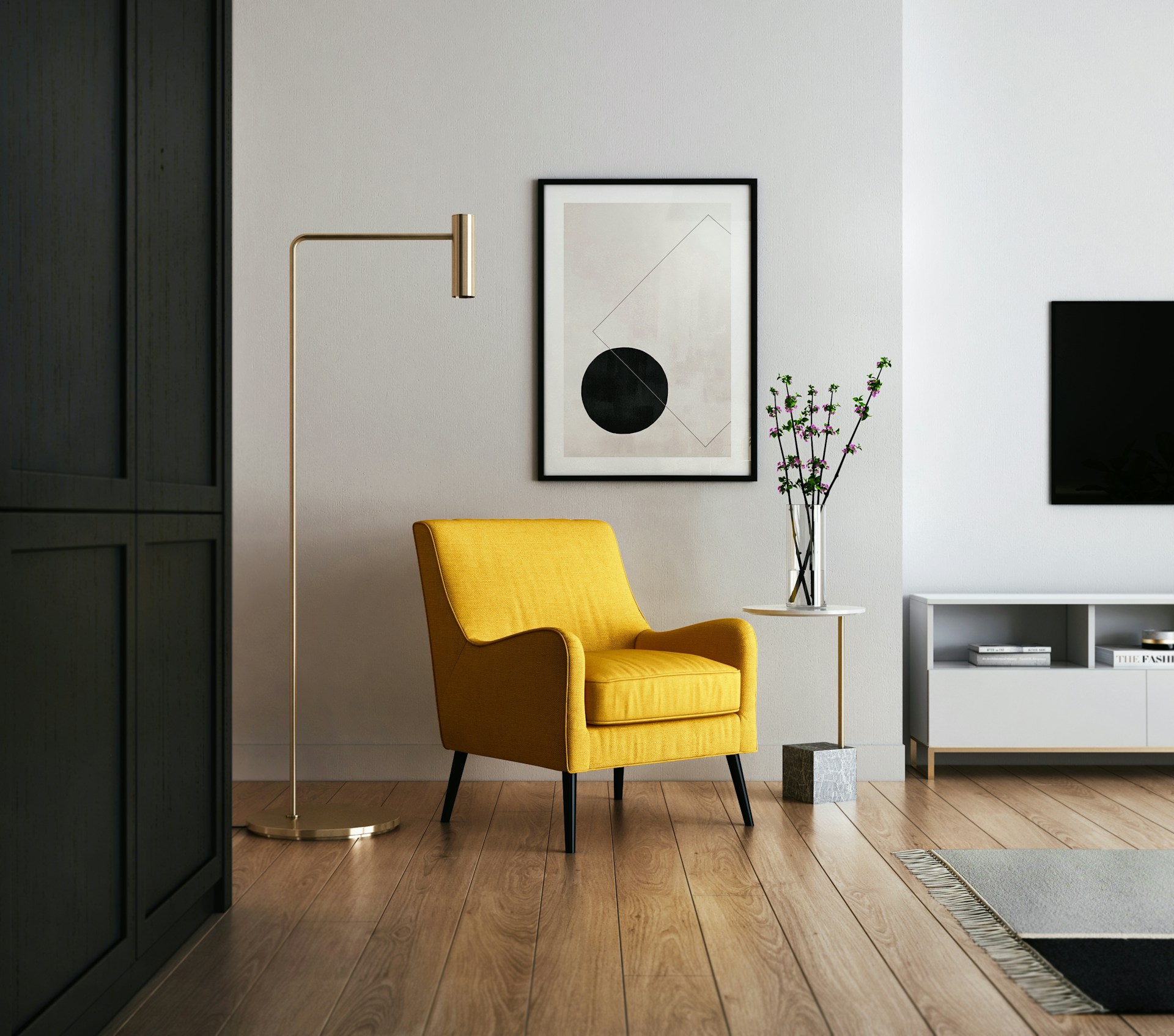
The lamp is on and the street is quiet. Printed layouts lie weighted at the corners of the long bench, and someone has left a brief marked in orange at the far edge. That is the hour we prefer: before phones begin, when a campaign can still be read as a whole rather than as a queue of requests.
The problem on most briefs is not a lack of ideas. It is the absence of a spine — audiences named vaguely, channels listed without jobs, and creative references that contradict each other. Our work is to read that material honestly, decide what the season is trying to do, and shape it into documents a team can follow without improvisation.
We are not a media-buying desk and not a rank shop. We sit with marketing leads, founders, and product marketers who need campaign architecture and creative direction before production spend begins. What leaves the bench is writing: architecture notes, direction documents, orchestration schedules, and launch comms that match.
The spine of a season: audiences, channels, and the order work should land.
Visual and tonal decisions held to one line before anything is produced.
Layouts and language shaped together so neither leads the other astray.
Each channel named with its job, format, and hand-off point.
Proofs checked at the bench before they leave for print or upload.
The week of release: internal lines, external sequence, and hold points.



Two weeks at the bench to read a brief, name the audience problem, and return a one-page architecture sketch. Suitable when a team knows something is misaligned but cannot yet describe the fix. Commission shapes
A full season shaped from architecture through direction, copy, and channel orchestration. Rhythm is weekly reviews with written notes after each session. Marketing lead and product owner involved throughout.
Four to six weeks focused on launch communications, proof supervision, and the hand-off calendar. For teams with creative largely settled who need disciplined release management.

Singapore seasons move quickly; APAC roll-outs add another layer of channel complexity. We work with teams whose headquarters sit elsewhere but whose launch must read locally — not as a translation, but as a campaign with its own orchestration note. The bench method stays the same: read the brief, name the spine, write the documents, hold the proofs.
Kampong Glam is not a backdrop. The district's mix of retail, culture, and late-night footfall reminds us that audiences encounter campaigns in physical space as well as on screens. We carry that reminder into architecture work when out-of-home or retail channels are in play. The workroom sits above the street noise; the window faces a row of shophouses that have seen decades of trade. That context keeps our language grounded.
Founders often arrive with a product story that works in conversation but falters in layout. Marketing leads arrive with channel debt from last year. Product marketers arrive stuck between brand guidelines and local necessity. Each brief gets the same respect: spread on the bench, read in silence before questions, returned as writing.
We describe our work as campaign creative and channel orchestration because those phrases name real documents. Architecture is not a mood board. Direction is not a single reference image sent at midnight. Orchestration is not a spreadsheet forwarded without explanation. When we use craft language, it points to something a printer, a media partner, or an internal comms lead can open and use.
Seasons that go well share a trait: someone inside the client team can explain the spine without opening a deck. Our job is to make that possible by writing the spine down early and defending it through production. Seasons that struggle often skipped the written hand-offs between disciplines. The heat ladder on this page is the short form; the Anvil page carries the long form.
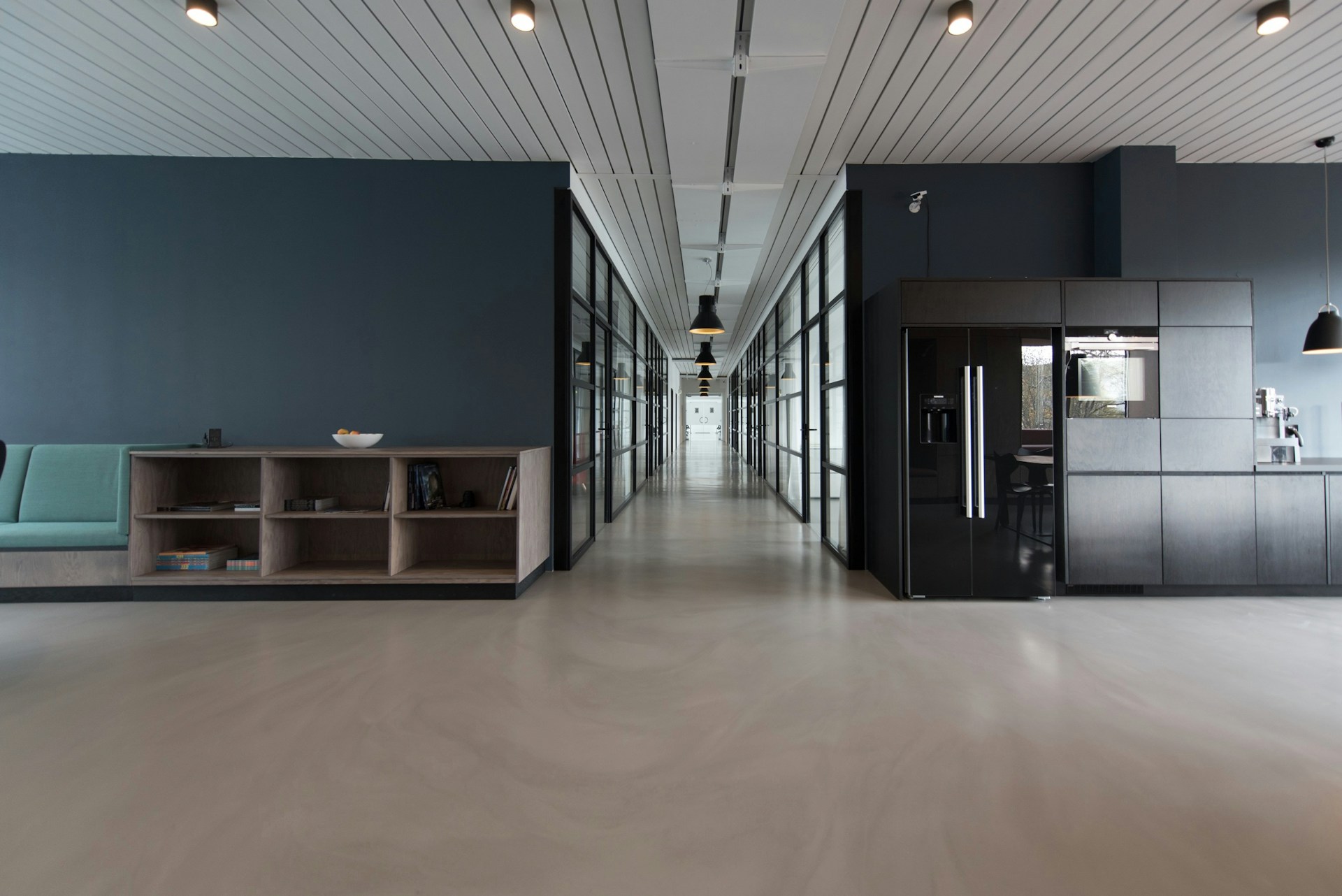
Photographs on this site were taken in and around the workroom — bench surfaces, proofs, street light — because we prefer real reference to illustrated metaphor. What you see is close to what a visitor would see on a review evening, minus client material under confidentiality.

If you need to reach the studio, the address and hours are on the Doorstep page. We read mail during office hours and reply with plain questions before proposing any scope.
Work shaped here is meant to be held to the light, not rushed to air.
Evening reviews at Kandahar Street often end with a single decision written at the bottom of a proof: hold, revise, or release. That decision is copied into the weekly note so Monday does not reopen settled questions.